










































virALLanguages
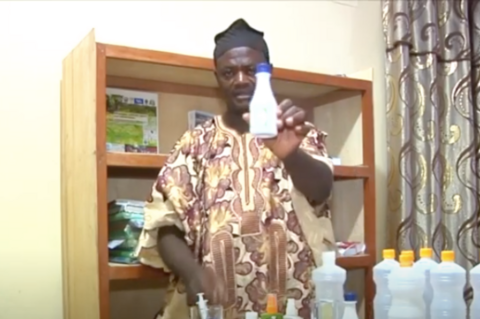
"Reaching as many people as possible means finding different ways to share lifesaving information in different languages and media."
The volunteer-run virALLanguages initiative is working with native speakers of minority, endangered, or otherwise marginalised languages of the world to translate and share basic COVID-19 health information via audio and video. As more language communities from across the world join, the coverage in more languages will grow. The aim is to reach marginalised communities and share correct, up-to-date, and memorable information so that people know what to do to stop the spread of coronavirus.
This participatory media project is based on the conviction that people trust information when it reaches them in the right language and through the right medium. Each minority language community has its own ways of assessing the reliability of a source of information. Written information in the language of the government may not be taken at face value in areas where the majority of reliable information is shared in local languages orally.
The virALLanguages strategy attempts to foster acceptance and trust by involving spokespersons who are trusted locally, like traditional authorities, local medical doctors, or other figures who are respected and listened to by the local communities. It is based on the observation that it is these trusted speakers from the communities themselves who are best positioned to not only to translate from a major language to a local one, but also to adapt features of the translated text in ways that make it more appropriate to the environment, customs, and speech style that are most relevant to each language community. Proverbs, metaphors, and rhetorical strategies are among the approaches used to get the information across in a way that will enable behavioural change. It is also important for any specific examples to be tailored to local ways of living. For example, recommendations to disinfect doorknobs will be meaningless in places where doorknobs are rarely found.
Details about how the process works are available on the virALLanguages website (itself accessible in several languages). In short, relying on the World Health Organization (WHO) as the main source, virALLanguages works with advisors and international collaborators to determine that reliable and correct information is the basis of a 5-page summary of basic info and background information about COVID-19 that is provided to each speaker. (In fact, the project has developed a protocol so that the messages will not diffuse false or potentially harmful information.) Language Teams, made up of a speaker and a judge, read the text and then take a quiz to make sure they understand the information in the text. The speaker then records a video or audio message, which is reviewed by the judge.
The video and audio files are then distributed via virALLanguages' YouTube channel and the project's Facebook page. In addition, the files can be downloaded from an internet archive, allowing them to be distributed via WhatsApp. Audio files are also disseminated via local radio stations where possible.
Health, Minority Languages
By "marginalised languages", the organisers mean languages that may not have a writing system, languages that are spoken by relatively fewer people, or those that are not used for official purposes like spreading information about a pandemic. Linguistic, social, and/or cultural barriers mean that marginalised communities may not understand vital health and other public information related to coronavirus. Experience from other health crises has shown that pure translation into major languages does not seem to be enough for life-saving behavioural changes.
Based on the organisers' past experience, the project began working with languages from Cameroon, one of the most coronavirus-affected countries in the region. In a country of 250 different languages, a linguistic divide exists between speakers of majority French and minority English - both languages brought through colonisation. At the time of this writing, there were 20 languages from Cameroon and 2 from Pakistan; click here to access the latest/complete list of languages.
Click here if you would like to participate in virALLanguages or send an email to virallanguages@gmail.com
virALLanguages is built through feedback from collaborators, advisors, and local community members. Organisational partners include: KPAAM-CAM project (University at Buffalo, State University of New York - SUNY); SOAS World Languages Institute (University of London); Community for Global Health Equity (University at Buffalo, SUNY); Department of Linguistics, University of Hawai'i at Manoa.
"Promoting coronavirus education through indigenous languages", Global Voices, May 11 2020, virALLanguages website, and "virALLanguages - Coronavirus explained in minoritised languages", May 29 2020 - all accessed on June 3 2020. Image caption/credit: Screenshot of Achuo Christopher Ikom (Chairman) explaining how to make hand sanitiser in Aghem, spoken in Cameroon's North-West Region. SOAS via virALLanguages on Facebook
- Log in to post comments